
Worst Things You Can Do When You Have a Wound
Wound care isn’t just about what you put on the wound. It’s about what you put in your body and how you move it. We see it all the time. A patient is getting great medical care, but their wound just isn’t closing. Why? Because what they are doing at home unknowingly is against the healing process. If you have a complex, non-healing wound, you have no space for mistakes. Wounds can go bad fast. Here is evidence-led look at the behaviors that slows down the recovery and exactly how to swap them for healing habits.
1. Sugar: The Metabolic Threat
Sugar is one of the biggest enemies of healing wounds. It paralyzes your immune system, feeds infection, and increases infection. You simply cannot heal effectively while on a high sugar diet. You eat sugar, you are not just gaining calories. Sugar feeds cancer,diabetes, and parasites. All of these love sugar, but your wound hates it. To heal, we have to deal with your sugar addiction.
Practical Swaps: Good, Better, Best
We know quitting cold turkey is hard. We believe in the “Good, Better, Best” approach to weaning off the sweet stuff.
If you crave… |
Good Swap |
Better Swap |
Best Swap |
Soda |
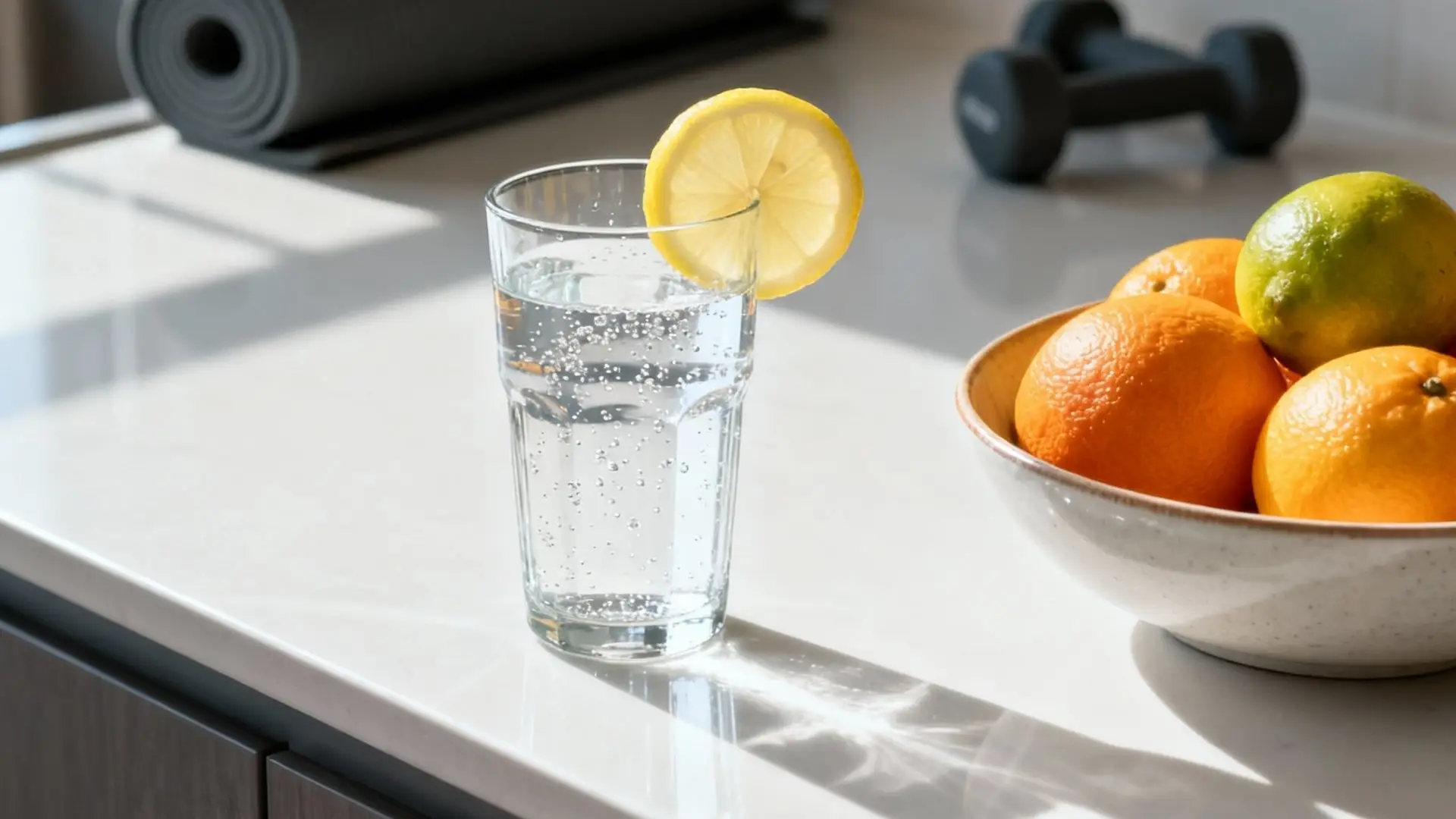
Kombucha (still has some sugar, but probiotics too) | Flavored Seltzer Water | Sparkling water with a squeeze of fresh lemon |
Potato Chips |
Chips fried in healthier oils (avocado/olive) | Veggie Straws | Kale Chips: Homemade with sea salt for that mineral crunch |
Sweets/Cake |
Dark Chocolate | Fruit Salad | Sugar-Free Banana Bread: Use ripe bananas and blueberries for natural sweetness |
The VELA Tip: Reach for sour fruits first, like grapefruits or oranges. They satisfy the palate without the massive insulin spike of processed treats.
2. Alcohol & Inflammation
Alcohol and simple carbohydrates (like white bread and pasta) break down into sugar in the body, creating the same disaster for your healing.
When your body is trying to get back in its best form, it needs a clear runway. Alcohol creates inflammation that acts like a road block. We have to get the sugar and the alcohol out to let the body do its job.
3. Stagnation: Why You Must Move Your Lymphatics
If you don’t move, you don’t heal. Even if you are bed bound or chair bound, you must move your lymphatic system to transport immune cells to the wound and carry waste away.
We have seen heartbreaking scenarios where patients stop moving entirely because of pain or fatigue. The result? The body breaks down. We’ve seen tailbones literally come through the skin creating new wounds called pressure ulcers because a patient laid in one spot for too long.
These things are preventable.
How to Move When You Can’t “Exercise”
You don’t need to run a marathon. You just need to stimulate flow.
- Set a Timer: Every day, commit to moving for just 30 seconds.
- The Arm Pump: Even if you can’t stand, pump your arms. You have major lymph nodes under your armpits. Moving your arms stimulates the system.
- Progressive Loading: Start with 30 seconds of movement. Tomorrow, try a minute. Eventually, grab two pound weights and keep doing it.
When you move, brain chemistry changes, and you start to feel better and better.
Struggling to get to a clinic? Read how Mobile Wound Care brings hospital-grade treatment to your bedside.
4. Dangerous DIY Treatments (Hydrogen Peroxide)
The Direct Answer: Stop playing chemist. Putting harsh chemicals like hydrogen peroxide on a wound can actually damage the new, healthy tissue trying to form, making the wound worse.
Another major mistake is trying to clean the wound too aggressively yourself. There is a medical procedure called clinical debridement (removing dead tissue) that requires sterile, clinical tools. You cannot do this safely in your bathroom.
Safe Home Actions
- Leave the Debridement to Pros: Sharp debridement is an advanced treatment we perform to restart healing.
- Hydrate: It sounds simple, but many people (especially those in bed) stop drinking water because they don’t want to get up to use the restroom. Dehydration stalls healing. Drink water with electrolytes.
- Light Therapy: If you want to do something proactive at home, look into infrared light (like a Celluma or Biomat). Used for 30 minutes, it penetrates the skin, vibrates water molecules, and increases nitric oxide to boost circulation.
Quick “Stop-Do-Start” Checklist
Ready to take control? Here is your immediate action plan.
- STOP: Putting sugar, alcohol, and hydrogen peroxide into or onto your body.
- DO: Set a timer for 30 seconds of arm movement to flush your lymphatic system.
- START: A hydration routine. Keep water and electrolytes by your bedside.
Healing is a team sport. It requires medical experts, but it also requires you to show up for your own body.
If you are doing all the right things and your wound still isn’t closing, you may need a more advanced intervention.
Contact Us today to speak with our team. We love healing wounds, and we love to help you heal yours.