
Compression Wraps & Venous Leg Ulcers: What Works and When to Escalate
If you have a venous leg ulcer, you are essentially in a fight against gravity and gravity is winning.
Even patients who maintain a good diet and keep their wounds clean often have unhealing ulcers because The missing piece? Compression.
Compression is mandatory for treating venous ulcers; without it, treatment is worthless. Here is the science behind why you need the squeeze and the required commitment for effective ulcer management.
Fighting Gravity: Why Your Veins Need a Squeeze
Venous ulcers happen because the valves in your leg veins fail. Instead of pushing blood up to your heart, blood pools in the lower leg, causing high pressure and an “acid burn” that leads to open wounds.
You cannot fix this by just putting a cream on it. You have to fix the flow.
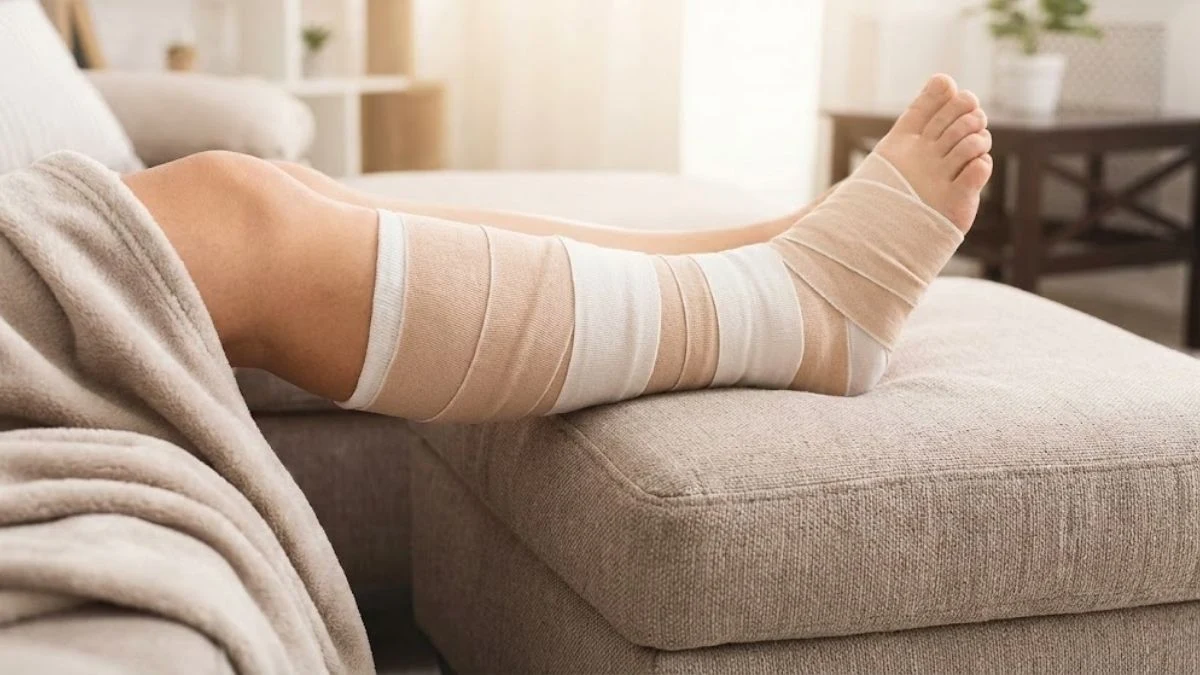
A medical-grade compression wrap squeezes the leg to force that blood back up toward the heart. It reduces the swelling (edema) so the edges of the wound can finally come together.
The 8-Week Timeline (And Why Consistency is Key)
Managing expectations is half the battle. A venous ulcer will not heal overnight.
If you are 100% compliant- meaning you wear your wraps exactly as directed- we typically look for significant healing within 8 weeks.
The Hard Truth:
Consistency is key for compliance; don’t remove the wrap (even for sleep) due to discomfort. Removing the wrap allows fluid to rush back in, erasing daily progress.
Read More: Our guide on Move to Heal to learn how to pump your calves and speed up this timeline.
The Reality of Living with Wraps
We know what we are asking of you, and we know it isn’t fun.
Living in a multi-layer compression wrap (especially in Southwest Florida heat) is uncomfortable. It can feel heavy, hot, and stiff. It makes wearing shoes difficult.
Here is the VELA Tough Love: You have to embrace the temporary discomfort to get the long-term cure.
- The Itch: It will itch as it heals. Do not stick a knitting needle or a pencil down the wrap to scratch it. You will create a new wound.
- The Shoe Struggle: Wear open-toed slides or adjustable velcro sandals. Do not try to jam a wrapped foot into a dress shoe.
- The Shower: You cannot get these wet. You will need a cast cover or a trash bag taped securely. If it gets wet, it must be changed immediately.
Stalled? It Might Be Time for Advanced Therapy
Compression is the Gold Standard, but it isn’t the only standard.
If you have been in good compression for 4 weeks and the wound hasn’t reduced in size by 50%, the current plan isn’t working.
At VELA, we escalate. If compression alone isn’t closing the gap, we introduce advanced therapies:
- Cellular Tissue Products (Skin Substitutes): We apply bio-engineered tissue that acts as a scaffold for your skin to grow across.
- Collagen Dressings: To jumpstart the body’s natural repair matrix.
Do not accept a wound that stays the same for months. If it’s stalled, it requires a new strategy.
Get Help: Applying these wraps correctly requires strength and training. If you can’t reach your feet or don’t have the hand strength, let us do it for you.
Read about Mobile Wound Care services.
The Squeeze Saves Legs
It feels tight. It feels hot. But that squeeze is the only thing standing between you and a chronic, open wound.
If you are struggling with a leg ulcer that won’t heal, or if you need help managing your compression wraps, Contact Us today. We can help you fight gravity and win.